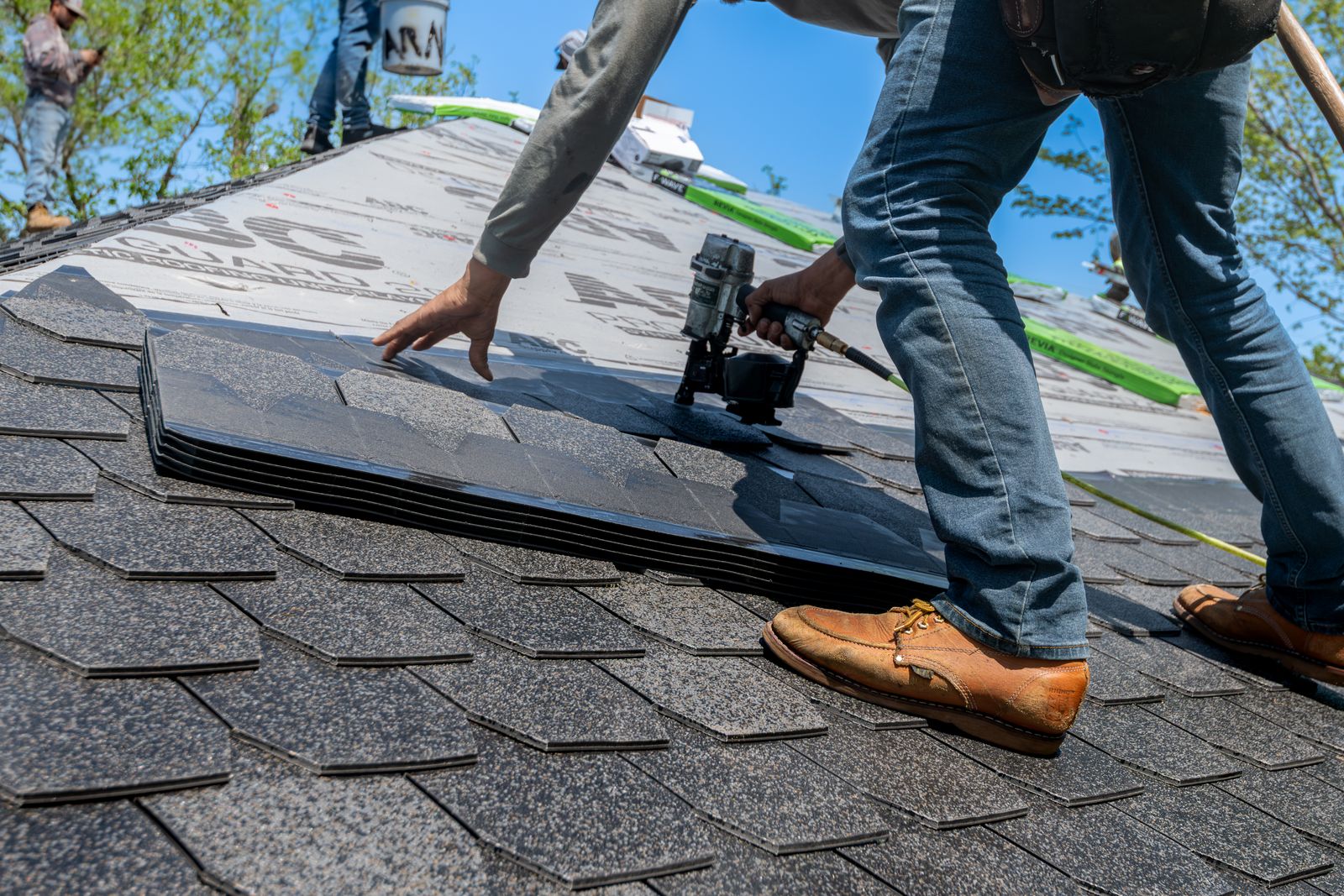
Why attic ventilation decides how long a Texas roof lasts
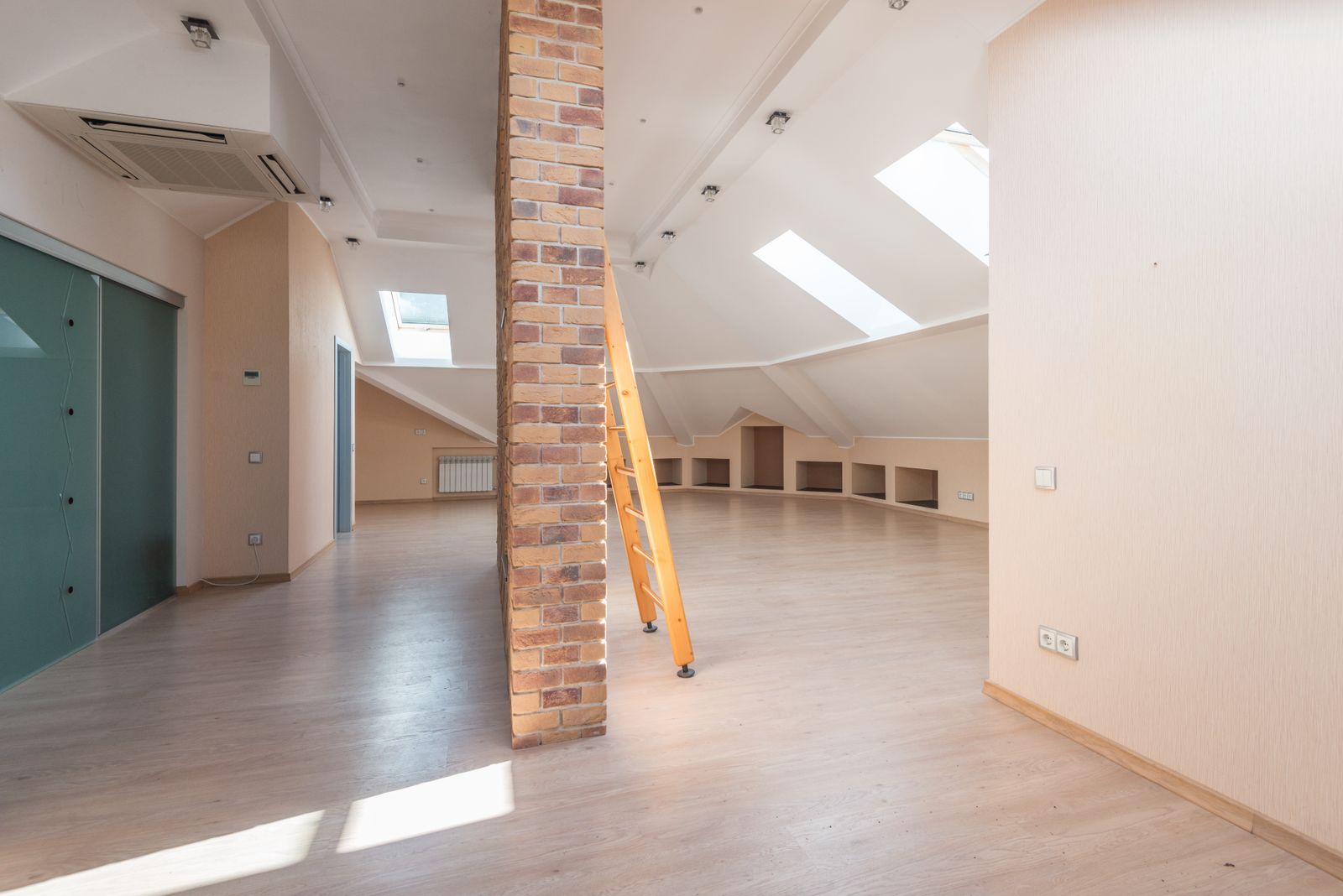
Homeowners worry about hail, and they should. But in Dallas the slow killer of roofs is heat. A dark shingle roof in July can pass 160 degrees on the surface, and a poorly ventilated attic underneath can sit above 150 degrees for hours. That heat cooks the asphalt from below, dries out the shingle, and shortens its life by years.
How attic ventilation works
A healthy attic breathes in a continuous loop. Cooler outside air enters low through soffit vents under the eaves, warms up as it moves through the attic, and exits high through a ridge vent or other exhaust vents near the peak. That flow carries heat out in summer and moisture out in winter.
The balance matters more than the number of vents. Building codes and shingle manufacturers generally call for about one square foot of net free ventilation area for every 150 square feet of attic floor, or every 300 square feet when a vapor retarder and balanced intake and exhaust are in place, split roughly evenly between intake and exhaust.
Common problems we find in DFW attics
- Soffit vents painted over or blocked by blown-in insulation
- Too many exhaust types mixed together, such as a ridge vent plus turbines plus a gable fan, which short-circuit each other
- Bathroom fans venting into the attic instead of outside
- Solar attic fans installed without enough intake, pulling cooled air from the house
Checks you can do this weekend
On a hot afternoon, carefully look into the attic from the access hatch. If it feels like an oven and the air is still, ventilation is probably weak. Look toward the eaves: you should see daylight or baffles at the soffits, not insulation packed tight against the roof deck. Outside, check that soffit vents are not painted shut.
Most shingle warranties require proper ventilation. A roof installed over a sealed attic may not qualify for full coverage.
Fixing it during a replacement
The easiest time to correct ventilation is during a roof replacement. We calculate the attic's needs, cut or extend the ridge vent, remove conflicting exhaust vents, and add intake where the soffits fall short. On many homes this costs a few hundred dollars and adds years of life to the new roof.
The payoff
Better ventilation will not make an attic cool, but dropping it 20 to 30 degrees protects the shingles, eases the load on the air conditioner, and helps keep second-floor bedrooms comfortable at night. If you are not sure where your attic stands, ask for a ventilation check with your next inspection.
This article is general information for Dallas-Fort Worth homeowners and is not legal, insurance or financial advice. Figures are samples.