How to read your roof insurance estimate, line by line

A few weeks after the adjuster climbs your roof, an estimate arrives. It is often ten pages of abbreviations, unit prices and depreciation columns. Most homeowners skim to the bottom number and hope it is right. Taking twenty minutes to understand the line items can make a real difference in whether the roof gets built correctly.
Start with the measurements
Roofing is measured in squares. One square equals 100 square feet of roof surface. The estimate should list total squares for the roof, and many carriers add a waste factor, often 10 to 15 percent for a simple gable and more for complex hip roofs with many valleys. Compare the squares to your inspection report. If the estimate shows 24 squares and a measured report shows 31, that gap matters.
Pitch is listed as a ratio like 7/12, meaning the roof rises 7 inches for every 12 inches of run. Steeper roofs above 7/12 or 8/12 often include a steep charge, and two-story roofs may include a high roof charge. Make sure those are there if they apply.
Tear-off and layers
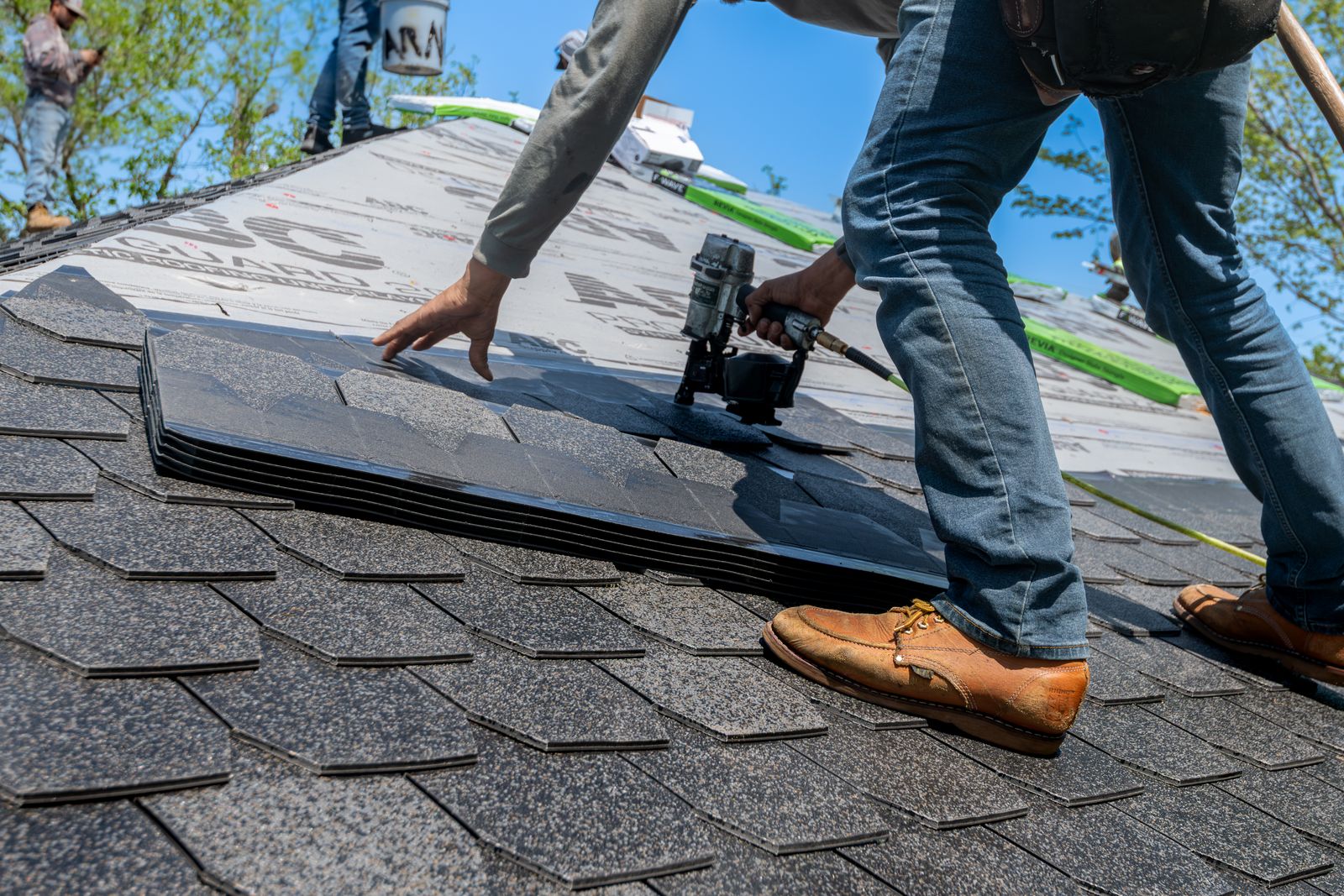
Look for a line to remove the existing roof. If your home has two layers of shingles, the estimate should reflect removing both. Disposal and dumpster costs are sometimes separate lines.
The items that often go missing
- Drip edge on eaves and rakes, which is required by the International Residential Code adopted in most DFW cities
- Starter strip shingles along eaves and rakes
- Ice and water shield in valleys
- Ridge cap shingles, which are a separate product from field shingles
- Ridge vent or other exhaust ventilation
- Pipe boots, step flashing and counter flashing
- Permit fees
When legitimate items are missing, your contractor can submit a supplement with photos and measurements asking the carrier to add them. That is a normal part of the process, not a dispute.
Understanding depreciation
Most estimates show two values: replacement cost value, or RCV, and actual cash value, or ACV. The difference is depreciation, based on the age and condition of the old roof. On a replacement cost policy, the carrier usually pays ACV first, minus your deductible, then releases the recoverable depreciation after the work is completed and invoiced.
Recoverable depreciation is not a bonus. It is part of what it costs to rebuild your roof, and you usually need to finish the job and send proof to receive it.
Some policies, especially on older roofs, are actual cash value only or use a roof payment schedule. In those cases depreciation may not be recoverable. Read the declarations page carefully or ask your agent.
Your deductible
Your deductible is subtracted from the payment. In Texas, it is illegal for a contractor to waive or absorb it, so the amount you owe the roofer includes it. Percentage deductibles are common in North Texas, so a 2 percent deductible on a $400,000 dwelling limit is $8,000.
Putting it together
Line up the estimate next to your inspection report and ask three questions: are the measurements right, are the code-required items included, and do you understand when depreciation is paid. Our claims coordinator reviews estimates side by side with homeowners for free. This article is general information and not legal or insurance advice.
This article is general information for Dallas-Fort Worth homeowners and is not legal, insurance or financial advice. Figures are samples.